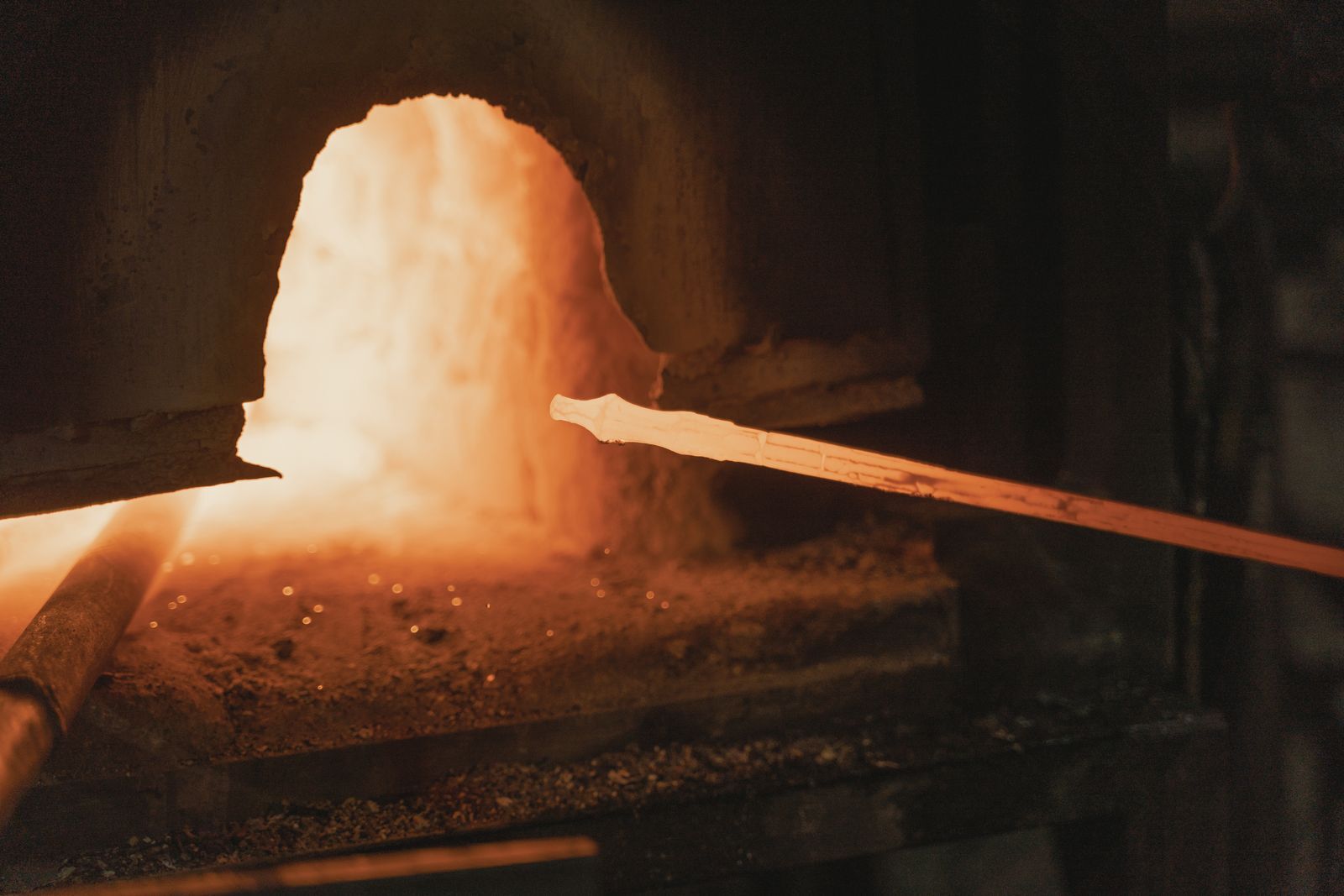
Die forging (matriçage) is the non-ferrous counterpart of steel stamping. Gazo Forge Industrie hot forges brass and aluminium in its Kénitra workshops, with dies designed and made in-house.
What is hot die forging?
A brass or aluminium billet is heated, then pressed between two dies engraved with the shape of the part. These alloys forge at much lower temperatures than steel and fill the cavities easily: the result is precise shapes, with thin walls and sharp details, ready for machining.
Brass or aluminium: which material?
- Brass resists corrosion well and is very easy to machine. It is the material of choice for valves, fittings and fluid distribution parts.
- Aluminium offers an excellent strength-to-weight ratio. It suits parts that must stay light while carrying mechanical loads.
Why die forge rather than cast or machine?
A die-forged part is compact, without the porosity that casting can leave: a decisive advantage for parts that must stay leak-tight under pressure. Compared with a part machined entirely from bar, die forging saves material and machine time, and improves mechanical strength thanks to the grain flow.
From billet to finished part
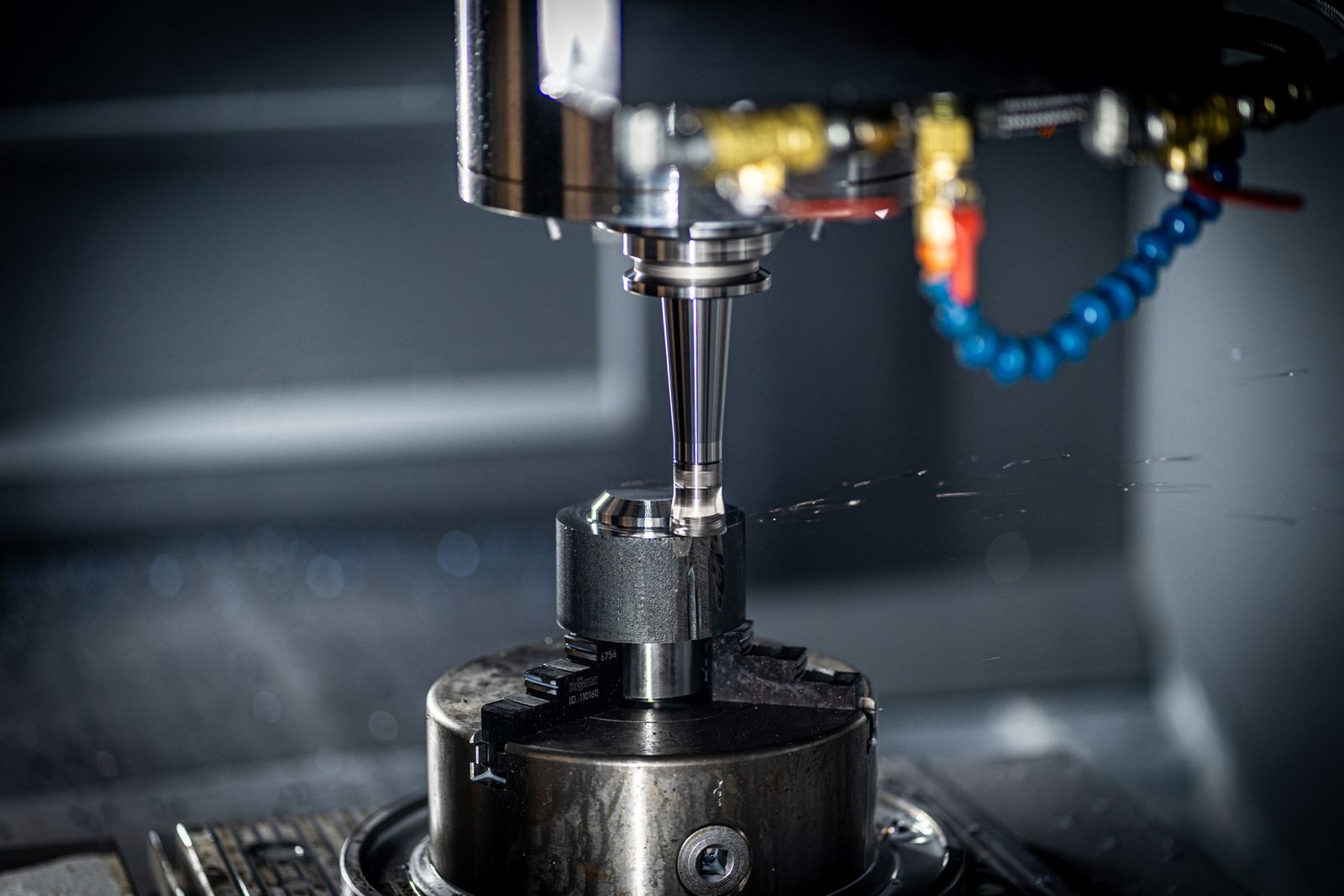
Our engineering office designs the part and its die in 3D CAD; the tool shop makes and refurbishes the dies. After forging, parts are machined: turning, milling, drilling and tapping on CNC machines, and bar turning on CNC and cam-operated lathes. Quality control covers raw material and finished parts.
Applications
Hydraulic fittings, industrial valves, parts for gas and water networks, technical components: brass and aluminium die forging meets the needs of hydraulics, energy and the mechanical industry.